The Vibrant History of Theatre in Pakistan and the Pioneering Role of Ajoka
Theater is an ancient art form that has been an integral part of cultural expression for centuries. In Pakistan, the tradition of theater dates back to pre-independence times when various theatrical forms and performances were an important aspect of the nation's artistic landscape. Among the many influential theater groups in Pakistan, Ajoka has played a pivotal role in shaping the nation's theatrical history.The Early Roots of Theatre in Pakistan:
Theatre in Pakistan has a long and diverse history, with influences from various cultural and regional traditions. The roots of modern Pakistani theater can be traced back to the early 20th century when amateur theatre groups and artists began experimenting with dramatic performances. Urdu and Punjabi were the prominent languages used in these plays, and the stories often revolved around social issues and cultural themes.
The Birth of Ajoka:
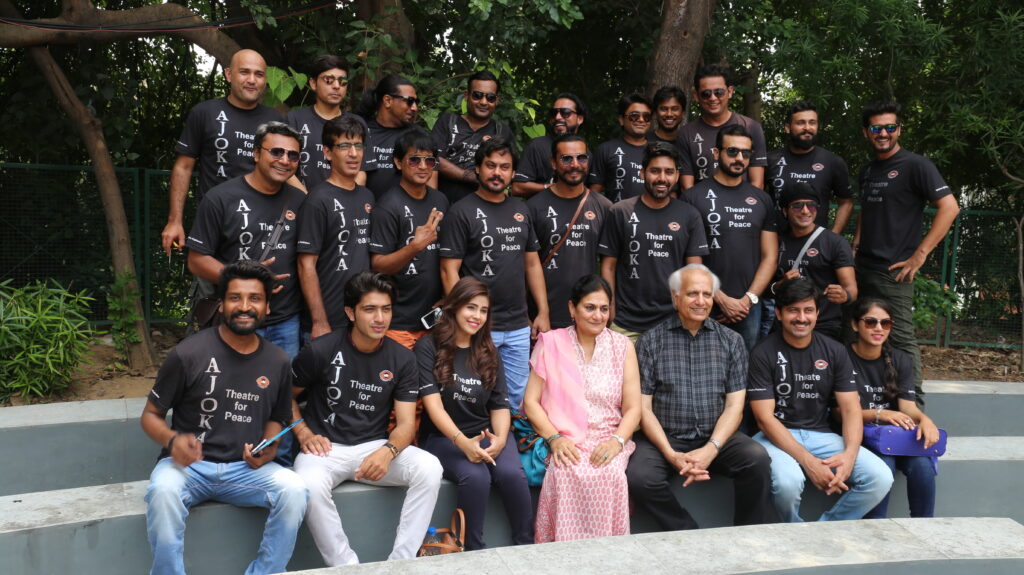
In 1984, a group of passionate and socially-conscious individuals came together to form Ajoka Theatre in Lahore. This was a crucial moment in the history of Pakistani theater. Ajoka, which means "today" in Punjabi, was founded by Madeeha Gauhar and her husband, Shahid Nadeem, with the aim of using theater as a powerful medium for addressing societal and political issues.
Ajoka's Contribution to Pakistani Theater:
Ajoka Theatre quickly gained recognition for its thought-provoking and impactful productions. They tackled sensitive subjects that were often considered taboo, including human rights, gender equality, political oppression, and religious extremism. Through their performances, they aimed to challenge societal norms and create awareness about pressing issues.
One of the significant achievements of Ajoka was the promotion of socially relevant, contemporary theater in Pakistan. Their plays not only resonated with the audience but also led to meaningful discussions about the challenges facing the country. They brought marginalized voices to the forefront and provided a platform for underrepresented perspectives.
Iconic Productions:
Ajoka Theatre has produced numerous iconic plays over the years. "Bullah" and "Hotel Mohenjodaro" are two notable examples that tackled religious extremism and the decline of moral values in society, respectively. These productions were widely acclaimed for their powerful storytelling and memorable performances.
Awards and Recognition:
The impact of Ajoka's work is evident from the numerous awards and accolades they have received. They have not only garnered critical acclaim in Pakistan but have also performed internationally, sharing their unique brand of theater with global audiences.
The Legacy of Ajoka:
Sadly, the theater community lost Madeeha Gauhar in 2018, a prominent figure in Pakistani theater and the co-founder of Ajoka. However, her vision and legacy continue through the work of Ajoka and its commitment to producing socially relevant theater.
Conclusion:
The history of theater in Pakistan is a testament to the power of art as a medium of change and expression. Ajoka Theatre, with its pioneering spirit and unyielding dedication to addressing crucial societal issues, stands as a shining example of the transformative potential of theater. Their contributions to Pakistani theater have left an indelible mark, and they continue to be a source of inspiration for artists and audiences alike. Ajoka has not only entertained but also educated, challenged, and inspired, making it a true trailblazer in the world of theater in Pakistan.